google

Blog

When an Ingrown Toenail Becomes Painful

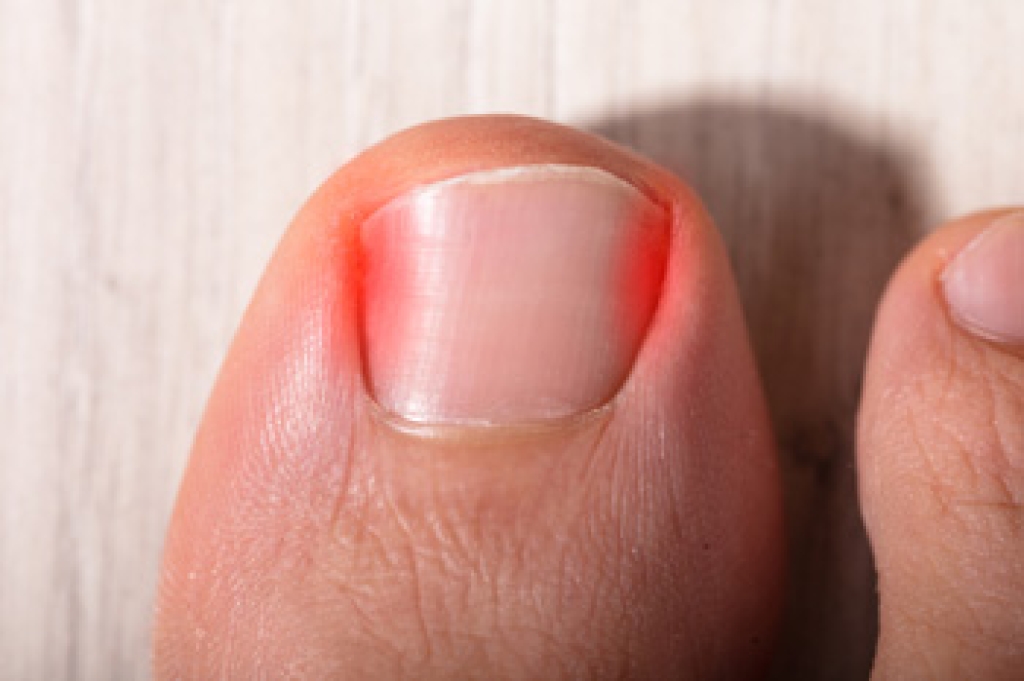
An ingrown toenail develops when the edge of a toenail curves downward and grows into the surrounding skin. Anyone can develop this painful foot problem, although teenagers and older adults experience it more often. Trauma to the toe, such as stubbing it or repeated impact from running, may also contribute to an ingrown nail. In some cases, ingrown toenails can run in families. As the nail presses into the skin, irritation can increase and make normal activities uncomfortable.


Pain, swelling, and redness around the toenail are common signs of an ingrown toenail. Symptoms may become more noticeable as the nail continues pressing into the skin. In more serious cases, the area can become infected and may bleed or drain pus. The discomfort can eventually interfere with walking or participation in sports. Because worsening redness and drainage may indicate infection, significant symptoms should receive professional attention. An ingrown toenail that becomes increasingly painful may require more advanced medical treatment rather than being left untreated.


A podiatrist can examine an ingrown toenail, determine its severity, and check the surrounding skin for signs of infection. When symptoms are severe, a procedure may be needed to remove the portion of nail growing into the skin. In some cases, the entire nail may need to be removed. Treatment may also involve addressing part of the nail bed, which is the tissue beneath the nail, to reduce the chance that the ingrown toenail will return. A podiatrist can determine which approach is appropriate, based on the condition of the nail and surrounding tissue and its effects on daily foot function. Professional evaluation is especially important when pain becomes severe or infection is suspected. If an ingrown toenail is causing increasing pain, redness, or swelling, it is suggested that you consult a podiatrist for an evaluation and appropriate treatment options.

Ingrown toenails can become painful if they are not treated properly. For more information about ingrown toenails, contact Dr. Robert Marcus of Foot & Ankle Center of Teaneck. Our doctor can provide the care you need to keep you pain-free and on your feet.

Ingrown Toenails

Ingrown toenails occur when a toenail grows sideways into the bed of the nail, causing pain, swelling, and possibly infection.

Causes

  • Bacterial infections
  • Improper nail cutting such as cutting it too short or not straight across
  • Trauma to the toe, such as stubbing, which causes the nail to grow back irregularly
  • Ill-fitting shoes that bunch the toes too close together
  • Genetic predisposition

Prevention

Wearing proper fitting shoes and using proper cutting techniques will also help decrease your risk of developing ingrown toenails.

Treatment

Ingrown toenails are a very treatable foot condition. In minor cases, soaking the affected area in salt or antibacterial soaps will not only help with the ingrown nail itself, but also help prevent any infections from occurring. In more severe cases, surgery is an option. In either case, speaking to your podiatrist about this condition will help you get a better understanding of specific treatment options that are right for you.

If you have any questions, please feel free to contact our office located in Teaneck, NJ . We offer the newest diagnostic and treatment technologies for all your foot care needs.

Read more about Ingrown Toenail Care

Are You Suffering From Ingrown Toenails?

If left untreated, an ingrown toenail can lead to more serious concerns, such as an infection. Knowing proper nail care can help in the prevention of an ingrown toenail. Give us a call, and get treated!

Outer Foot Pain and Cuboid Syndrome

Cuboid syndrome affects the cuboid, a small bone on the outer side of the midfoot. It can develop when the cuboid shifts slightly from its normal position because of stress or an injury. The condition is sometimes associated with an ankle sprain or repeated strain from activities like running and jumping. Patients may feel pain along the outside of the foot, especially when putting weight on it. The area can also feel tender when touched. Some patients notice discomfort when moving the foot or when walking. Because several foot problems can cause similar symptoms, a podiatrist can examine the foot and determine whether the cuboid is involved.

A podiatrist can assess the foot by reviewing the patient’s symptoms and performing a physical examination. The examination can focus on the location of pain, foot movement, and areas of tenderness. Imaging may also be used when another injury needs to be ruled out. Treatment for cuboid syndrome focuses on restoring normal foot function and reducing pain. A podiatrist can use specific foot techniques to help return the cuboid to its proper position. Professional care can also include supportive measures that reduce stress on the area while it heals. The treatment approach depends on the severity of symptoms and the factors that contributed to the condition.

Cuboid syndrome can interfere with walking, exercise, and other activities that place pressure on the foot. Prompt evaluation can help determine whether the symptoms are coming from the cuboid or another foot injury. A podiatrist can monitor the foot and assess changes in pain, movement, and function as treatment progresses. Professional care can also help identify contributing factors, like repeated stress or an earlier ankle injury. Addressing the source of the problem can help support proper foot function and reduce the chance of continued discomfort. If you have symptoms of cuboid syndrome, it is suggested that you make an appointment with a podiatrist for diagnosis and treatment.

Cuboid syndrome, also known as cuboid subluxation, occurs when the joints and ligaments near the cuboid bone in the foot become torn. If you have cuboid syndrome, consult with Dr. Robert Marcus from Foot & Ankle Center of Teaneck. Our doctor will assess your condition and provide you with quality foot and ankle treatment.

Cuboid syndrome is a common cause of lateral foot pain, which is pain on the outside of the foot. The condition may happen suddenly due to an ankle sprain, or it may develop slowly overtime from repetitive tension through the bone and surrounding structures.

Causes

The most common causes of cuboid syndrome include:

  • Injury – The most common cause of this ailment is an ankle sprain.
  • Repetitive Strain – Tension placed through the peroneus longus muscle from repetitive activities such as jumping and running may cause excessive traction on the bone causing it to sublux.
  • Altered Foot Biomechanics – Most people suffering from cuboid subluxation have flat feet.

Symptoms

A common symptom of cuboid syndrome is pain along the outside of the foot which can be felt in the ankle and toes. This pain may create walking difficulties and may cause those with the condition to walk with a limp.

Diagnosis

Diagnosis of cuboid syndrome is often difficult, and it is often misdiagnosed. X-rays, MRIs and CT scans often fail to properly show the cuboid subluxation. Although there isn’t a specific test used to diagnose cuboid syndrome, your podiatrist will usually check if pain is felt while pressing firmly on the cuboid bone of your foot.

Treatment

Just as the range of causes varies widely, so do treatments. Some more common treatments are ice therapy, rest, exercise, taping, and orthotics.

If you have any questions, please feel free to contact our office located in Teaneck, NJ . We offer the newest diagnostic and treatment technologies for all your foot care needs.
Read more about Cuboid Syndrome

Simple Stretches for Foot Pain Relief

Foot pain can develop from overuse, prolonged standing, or wearing unsupportive shoes. Sore feet may feel achy, tight, or tender. Common problems include muscle strain, plantar fasciitis, and tendon irritation. Risk factors include high-impact activity, increased body weight, and poorly fitting footwear. Identifying the reason for discomfort is important before starting stretches. Gentle exercises may provide useful relief when soreness results from tight or tired muscles.

A simple foot stretch can improve flexibility and help prevent cramping. Sit comfortably and keep your foot relaxed. Flex your toes upward, then slowly curl them downward. Repeat several times without forcing the toes. This exercise gently moves the small muscles and joints in the foot. Regular stretching may improve flexibility and reduce tension. Stop if stretching causes sharp pain, swelling, or worsening symptoms immediately. Stretching should feel gentle rather than painful.


Strengthening exercises can support sore feet and improve foot control. Try picking up a marble with your toes and placing it into a small container, and repeat slowly with each foot. This movement activates small foot muscles and may improve strength, coordination, and toe control. Stronger muscles can support the arch and improve walking stability. Warm up gently before exercise and avoid overworking painful feet. Wearing supportive shoes can reduce stress during daily activities.


A podiatrist can determine whether foot pain comes from an injury, structural concern, or another condition. The evaluation may include examining your feet and checking movement. Treatment may involve activity changes, stretching guidance, or other care based on the cause. Persistent pain should not be ignored. If you have foot pain, it is suggested that you consult a podiatrist who can offer effective relief and treatment solutions, in addition to guidance on appropriate foot stretches.

Stretching the feet is a great way to prevent injuries. If you have any concerns with your feet consult with Dr. Robert Marcus from Foot & Ankle Center of Teaneck. Our doctor will assess your condition and provide you with quality foot and ankle treatment.

Stretching the Feet

Stretching the muscles in the foot is an important part in any physical activity. Feet that are tight can lead to less flexibility and make you more prone to injury. One of the most common forms of foot pain, plantar fasciitis, can be stretched out to help ease the pain. Stretching can not only ease pain from plantar fasciitis but also prevent it as well. However, it is important to see a podiatrist first if stretching is right for you. Podiatrists can also recommend other ways to stretch your feet. Once you know whether stretching is right for you, here are some excellent stretches you can do.

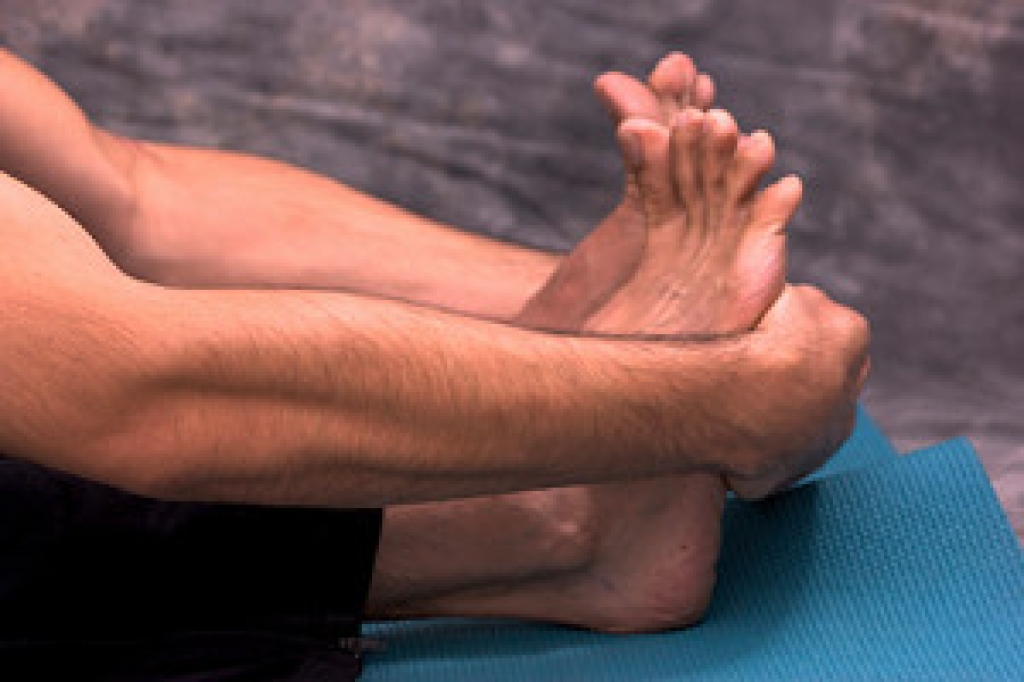
  • Using a foam roller or any cylindrical object (a water bottle or soda can will do), roll the object under your foot back and forth. You should also exert pressure on the object. Be sure to do this to both feet for a minute. Do this exercise three times each.
  • Similar to the previous one, take a ball, such as a tennis ball, and roll it under your foot while seated and exert pressure on it.
  • Grab a resistance band or towel and take a seat. If you are using a towel, fold it length wise. Next put either one between the ball of your foot and heel and pull with both hands on each side towards you. Hold this for 15 seconds and then switch feet. Do this three times for each foot.
  • Finally hold your big toe while crossing one leg over the other. Pull the toe towards you and hold for 15 seconds. Once again do this three times per foot.

It is best to go easy when first stretching your foot and work your way up. If your foot starts hurting, stop exercising and ice and rest the foot. It is advised to then see a podiatrist for help.

If you have any questions please contact our office located in Teaneck, NJ . We offer the newest diagnostic and treatment technologies for all your foot and ankle needs.

Read more about Stretching Your Feet

Podiatric Care for Comfortable and Healthier Feet

Blisters can cause discomfort and make it harder to move comfortably during daily activities. A blister is a small pocket of fluid that forms between layers of skin, usually because of friction, pressure, or irritation. Friction happens when surfaces rub together repeatedly, which can damage the skin and create a painful area. Blisters commonly develop on the feet because they experience repeated pressure from standing, walking, and wearing shoes. Symptoms include redness, tenderness, swelling, and a raised area on the skin. Some patients may also experience pain that affects their ability to participate in normal activities. A podiatrist can examine the blister and surrounding skin to determine the cause and recommend appropriate care.

A podiatrist evaluates foot blisters by reviewing symptoms, examining the affected area, and identifying factors that may have contributed to the problem. The evaluation includes checking skin condition, foot structure, and footwear choices. A podiatrist can provide treatment focused on protecting the affected area, supporting skin health, and reducing factors that contribute to repeated irritation. Care includes recommendations based on the type and location of the blister, along with guidance for managing related foot concerns. A podiatrist also evaluates footwear because shoes that lack proper support or fit poorly can increase pressure and friction on the feet.

Research shows that foot blisters can affect comfort, movement, and activity levels, making proper evaluation important for patients experiencing ongoing concerns. A podiatrist helps identify why blisters develop and creates a treatment plan based on each patient’s foot health and lifestyle. Professional care can help address painful symptoms and support healthier skin on the feet. Treatment plans are personalized according to examination findings and the patient’s specific needs. Regular appointments allow a podiatrist to monitor foot health and address concerns that affect comfort and mobility. If you have symptoms of blisters, it is suggested that you make an appointment with a chiropractor for diagnosis and treatment.

Blisters may appear as a single bubble or in a cluster. They can cause a lot of pain and may be filled with pus, blood, or watery serum. If your feet are hurting, contact Dr. Robert Marcus of Foot & Ankle Center of Teaneck. Our doctor can provide the care you need to keep you pain-free and on your feet.

Foot Blisters

Foot blisters are often the result of friction. This happens due to the constant rubbing from shoes, which can lead to pain.

What Are Foot Blisters?

A foot blister is a small fluid-filled pocket that forms on the upper-most layer of the skin. Blisters are filled with clear fluid and can lead to blood drainage or pus if the area becomes infected.

Symptoms

(Blister symptoms may vary depending on what is causing them)

  • Bubble of skin filled with fluid
  • Redness
  • Moderate to severe pain
  • Itching

Prevention & Treatment

In order to prevent blisters, you should be sure to wear comfortable shoes with socks that cushion your feet and absorb sweat. Breaking a blister open may increase your chances of developing an infection. However, if your blister breaks, you should wash the area with soap and water immediately and then apply a bandage to the affected area. If your blisters cause severe pain it is important that you call your podiatrist right away.

If you have any questions, please feel free to contact our office located in Teaneck, NJ . We offer the newest diagnostic and treatment technologies for all your foot care needs.

Read more about Blisters
Connect with us