Have your child's feet been examined lately? Healthy feet are happy feet. If your child is complaining of foot pain, it may be a sign of underlying problems.
Have your child's feet been examined lately? Healthy feet are happy feet. If your child is complaining of foot pain, it may be a sign of underlying problems.
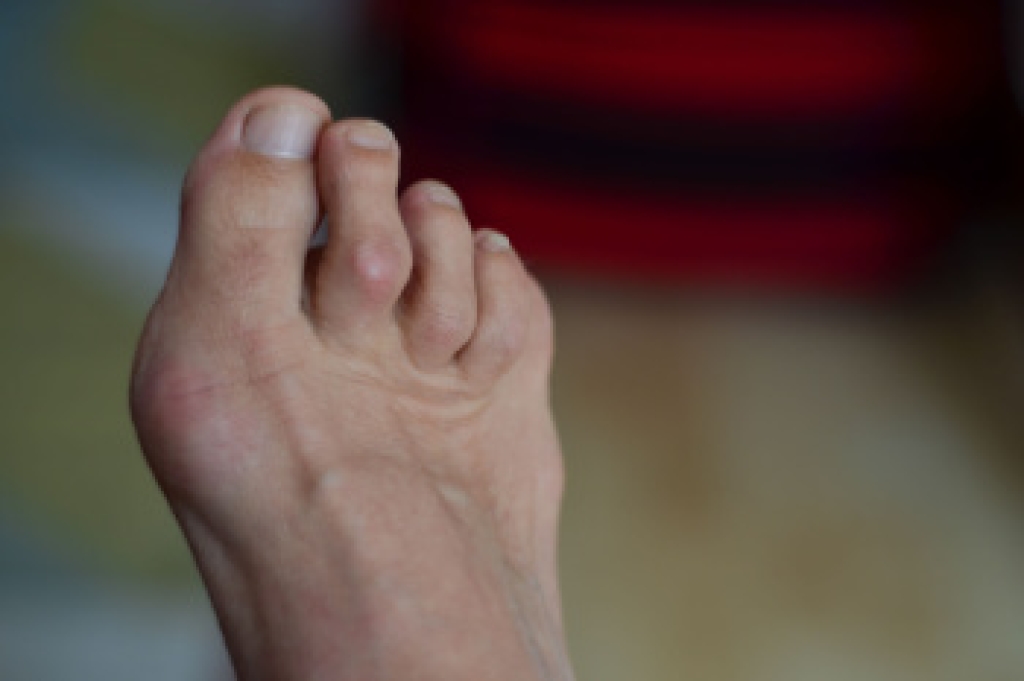
Hammertoe is a foot deformity that causes one or more toes to bend downward at the middle joint, creating a curled or claw-like appearance. This condition most often affects the second, third, or fourth toes and develops when the muscles, tendons, and ligaments surrounding the toe become unbalanced. A tendon imbalance can pull the toe joint out of its normal position, causing misalignment of the joint surfaces and gradual changes in toe structure. While hammertoe may begin as a flexible deformity, it can become rigid over time and lead to ongoing discomfort.
Symptoms of hammertoe can vary depending on the severity of the condition. Many people experience pain while wearing shoes because the bent toe rubs against the inside of footwear, creating pressure points. Additional symptoms include swelling, redness, and difficulty moving the affected toe. As the toe becomes more fixed, finding comfortable shoes may become increasingly challenging.
Several factors can increase the risk of developing hammertoe. Wearing tight-fitting shoes, narrow toe-box footwear, or high heels can place excessive pressure on the toes and contribute to deformity. Foot structure, genetics, and muscle imbalance, may also increase the likelihood of developing this condition. Previous toe injuries can also be a factor. Certain medical conditions, including rheumatoid arthritis, can affect the joints and contribute to toe misalignment. Injuries that damage the muscles, tendons, or ligaments of the foot may also interfere with normal toe movement and alignment.
A podiatrist can evaluate hammertoe by examining the foot, reviewing symptoms, and determining whether the deformity is flexible or rigid. Treatment options include footwear changes, padding, and stretching exercises. Custom orthotics and other conservative approaches are designed to reduce pressure and improve foot function. More advanced cases may require surgery to restore proper toe alignment and relieve pain. If you have developed hammertoe, it is suggested that you consult a podiatrist for effective relief and management solutions.
Hammertoe
Hammertoes can be a painful condition to live with. For more information, contact Dr. Robert Marcus from Foot & Ankle Center of Teaneck. Our doctor will answer any of your foot- and ankle-related questions.
Hammertoe is a foot deformity that affects the joints of the second, third, fourth, or fifth toes of your feet. It is a painful foot condition in which these toes curl and arch up, which can often lead to pain when wearing footwear.
Symptoms
Causes
Genetics – People who are genetically predisposed to hammertoe are often more susceptible
Arthritis – Because arthritis affects the joints in your toes, further deformities stemming from arthritis can occur
Trauma – Direct trauma to the toes could potentially lead to hammertoe
Ill-fitting shoes – Undue pressure on the front of the toes from ill-fitting shoes can potentially lead to the development of hammertoe
Treatment
Orthotics – Custom made inserts can be used to help relieve pressure placed on the toes and therefore relieve some of the pain associated with it
Medications – Oral medications such as anti-inflammatories or NSAIDs could be used to treat the pain and inflammation hammertoes causes. Injections of corticosteroids are also sometimes used
Surgery – In more severe cases where the hammertoes have become more rigid, foot surgery is a potential option
If you have any questions, please feel free to contact our office located in Teaneck, NJ . We offer the newest diagnostic and treatment technologies for all your foot care needs.
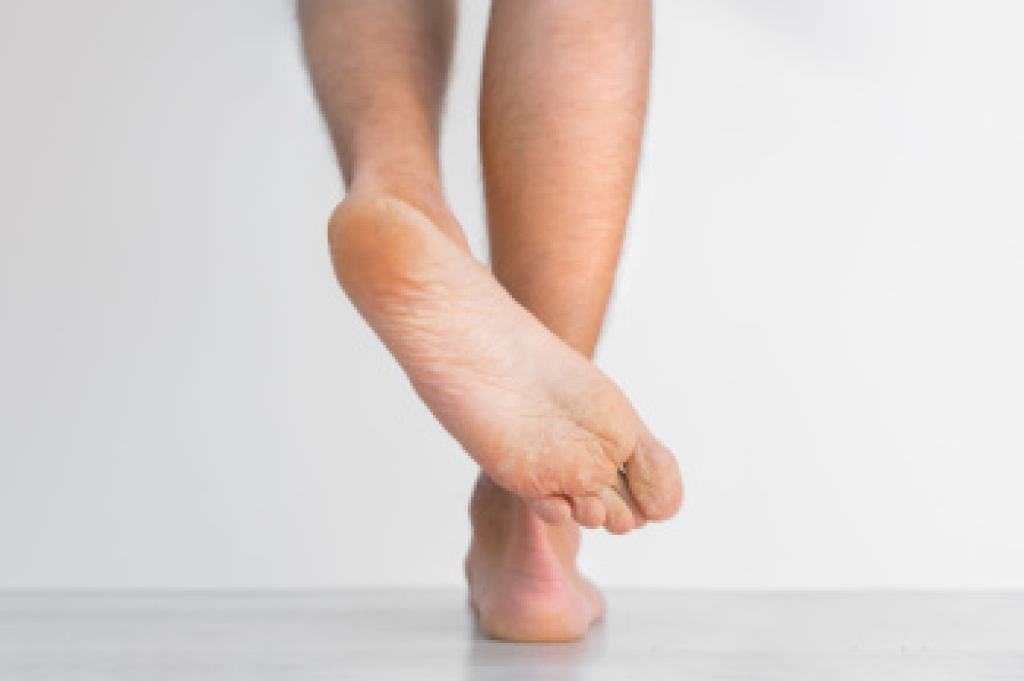
Athlete’s foot is a fungal skin infection that can make the feet itchy and uncomfortable. The medical name is tinea pedis, but athlete’s foot is easier to recognize. The fungus grows well in warm, damp places. Public showers, locker rooms, and areas around swimming pools can provide conditions where it spreads. People can pick up the fungus by walking barefoot on contaminated surfaces. Damp towels can also carry it. Sweaty feet can increase the risk because moisture creates an environment where fungus can grow.
Athlete’s foot can cause redness, flaking, and peeling skin. The skin can also crack or feel itchy, while some patients notice stinging or burning. Symptoms usually develop on the soles or between the toes. In some cases, the infection can affect the toenails. An infected nail can become thick, discolored, or brittle. Athlete’s foot can spread and become harder to treat when it is left untreated. Because other skin problems can resemble a fungal infection, getting an accurate diagnosis is important before treatment begins.
A podiatrist can examine the feet and determine whether the symptoms are consistent with athlete’s foot. Treatment can include antifungal medication that targets the fungus causing the infection. A podiatrist can also assess toenail changes and check whether the infection has spread to other areas. Professional care is especially useful when symptoms persist, return, or become more uncomfortable. A podiatrist can provide guidance on reducing moisture and limiting exposure to environments where the fungus can spread. This can help lower the chance of another infection after treatment and protect the skin from continued irritation or damage. If you have symptoms of athlete’s foot, it is suggested that you schedule an appointment with a podiatrist for diagnosis and treatment.
Athlete’s Foot
Athlete’s foot is often an uncomfortable condition to experience. Thankfully, podiatrists specialize in treating athlete’s foot and offer the best treatment options. If you have any questions about athlete’s foot, consult with Dr. Robert Marcus from Foot & Ankle Center of Teaneck. Our doctor will assess your condition and provide you with quality treatment.
What Is Athlete’s Foot?
Tinea pedis, more commonly known as athlete’s foot, is a non-serious and common fungal infection of the foot. Athlete’s foot is contagious and can be contracted by touching someone who has it or infected surfaces. The most common places contaminated by it are public showers, locker rooms, and swimming pools. Once contracted, it grows on feet that are left inside moist, dark, and warm shoes and socks.
Prevention
The most effective ways to prevent athlete’s foot include:
Symptoms
Athlete’s foot initially occurs as a rash between the toes. However, if left undiagnosed, it can spread to the sides and bottom of the feet, toenails, and if touched by hand, the hands themselves. Symptoms include:
Diagnosis and Treatment
Diagnosis is quick and easy. Skin samples will be taken and either viewed under a microscope or sent to a lab for testing. Sometimes, a podiatrist can diagnose it based on simply looking at it. Once confirmed, treatment options include oral and topical antifungal medications.
If you have any questions, please feel free to contact our office located in Teaneck, NJ . We offer the newest diagnostic and treatment technologies for all your foot care needs.
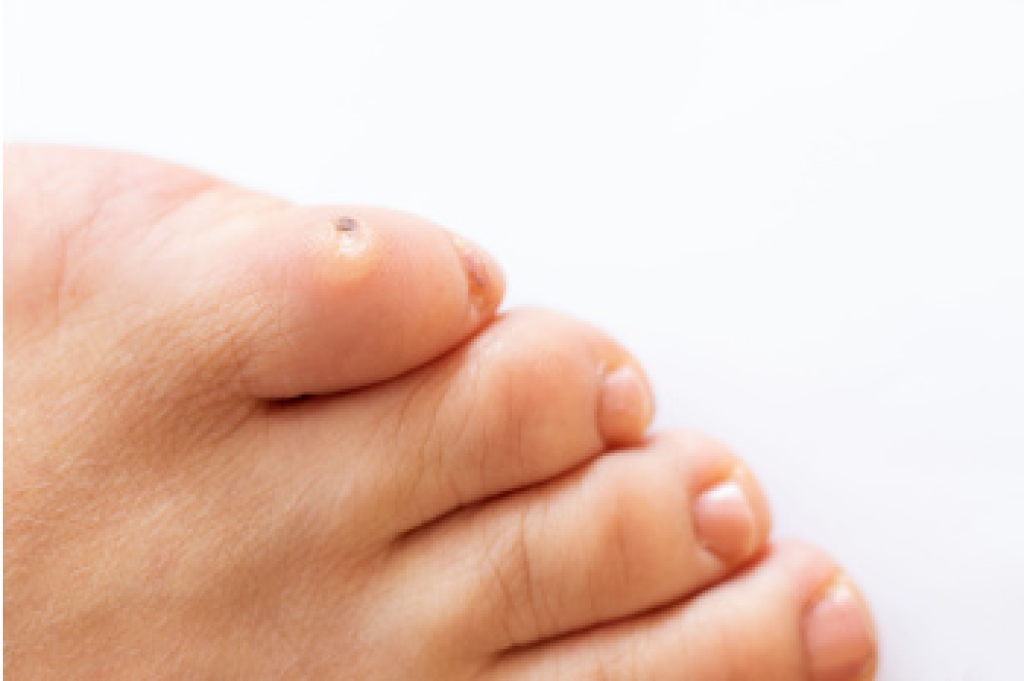
Corns are areas of thickened skin that develop when the foot experiences repeated pressure or friction. They commonly appear on areas that receive extra stress, like the tops or sides of toes and other parts of the foot. The skin becomes thicker as the body tries to protect the area from irritation. Corns can cause discomfort while walking, wearing shoes, or completing daily activities. Symptoms include a hard area of skin, tenderness, pain, and sensitivity when pressure is placed on the affected area. Some patients develop corns because of changes in foot structure, toe alignment, or shoes that create excess pressure. A podiatrist can examine the foot to determine the cause and recommend appropriate treatment.
This foot doctor evaluates corns by examining the affected skin, reviewing symptoms, and assessing how the foot moves. The evaluation includes checking toe alignment, foot structure, walking patterns, and footwear choices. Understanding these factors helps identify why pressure is developing in certain areas of the foot. A podiatrist creates a treatment plan focused on reducing discomfort and improving foot function. Treatment includes professional care to remove thickened skin safely, address contributing factors, and support healthier movement. A podiatrist also evaluates footwear because shoes that lack proper support or fit poorly can increase pressure and friction on the toes.
Research shows that corns can affect comfort and mobility, making proper evaluation important for patients experiencing ongoing foot concerns. A podiatrist helps identify the cause of corns and develops a plan based on each patient’s foot structure and symptoms. Professional treatment can improve comfort and support better movement during daily activities. Addressing the factors that contribute to corn formation can help maintain healthier skin and improve overall foot health. Treatment plans are personalized according to examination findings and each patient’s needs. If you have developed corns, it is suggested that you schedule an appointment with a podiatrist for effective relief and treatment tips.
Corns can make walking very painful and should be treated immediately. If you have questions regarding your feet and ankles, contact Dr. Robert Marcus of Foot & Ankle Center of Teaneck. Our doctor will treat your foot and ankle needs.
Corns: What Are They? And How Do You Get Rid of Them?
Corns are thickened areas on the skin that can become painful. They are caused by excessive pressure and friction on the skin. Corns press into the deeper layers of the skin and are usually round in shape.
Ways to Prevent Corns
There are many ways to get rid of painful corns such as:
Treating Corns
Although most corns slowly disappear when the friction or pressure stops, this isn’t always the case. Consult with your podiatrist to determine the best treatment option for your case of corns.
If you have any questions, please feel free to contact our office located in Teaneck, NJ . We offer the newest diagnostic and treatment technologies for all your foot care needs.
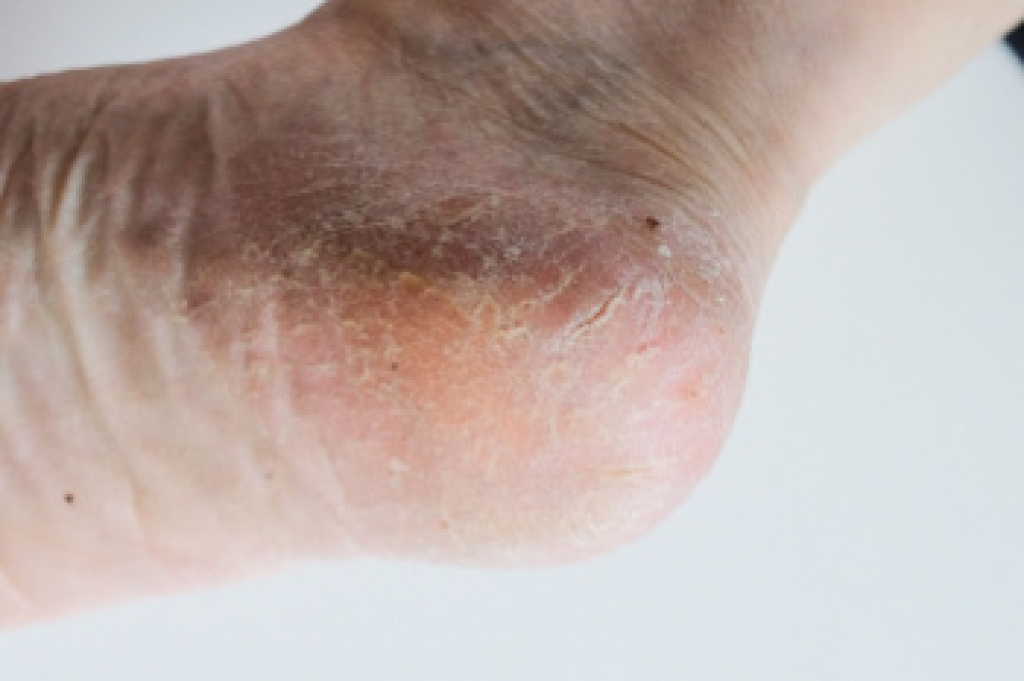
Heel fissures, commonly known as cracked heels, are splits in the skin along the heel that develop when dryness and pressure cause the skin to lose elasticity. The heel naturally supports body weight, and when the skin becomes thick and dry, it can begin to crack under stress. These fissures may start as superficial lines but can deepen over time, leading to discomfort and difficulty walking if not treated properly.
Symptoms of cracked heels include dry, rough skin along the heel, visible cracks, and discomfort while standing or walking. In more advanced cases, the fissures may become deep and painful, sometimes leading to bleeding. The surrounding skin may appear thickened and callused, and the area can feel tight or irritated. These symptoms often worsen without proper hydration and care.
Several causes contribute to heel fissures, with extreme dryness being the most common. Environmental factors such as cold weather, low humidity, and prolonged exposure to dry conditions can reduce skin moisture. Nutritional deficiencies may also impact skin health and increase the risk of cracking. In addition, medical conditions such as diabetes can affect circulation and skin integrity, making the heels more prone to fissures.
Risk factors include standing for long periods of time, wearing open back shoes, and poor foot care habits. Preventive measures include regular moisturizing, proper footwear, and maintaining overall skin health. Cracked heels can be uncomfortable, and early attention can reduce discomfort and prevent complications. If you have cracked heels, it is suggested that you consult a podiatrist for effective treatment solutions, which may include prescribed medication.
If the skin on your feet starts to crack, you may want to see a podiatrist to find treatment. If you have any concerns, contact Dr. Robert Marcus from Foot & Ankle Center of Teaneck. Our doctor can provide the care you need to keep you pain-free and on your feet.
Cracked Heels
It is important to moisturize your cracked heels in order to prevent pain, bleeding, and infection. The reason cracked heels form is because the skin on the foot is too dry to support the immense pressure placed on them. When the foot expands, the dry skin on the foot begins to split.
Ways to Help Heal Them
Ways to Prevent Cracked Heels
If you are unsure how to proceed in treating cracked heels, seek guidance from a podiatrist. Your doctor will help you with any questions or information you may need.
If you have any questions, please feel free to contact our office located in Teaneck, NJ . We offer the newest diagnostic and treatment technologies for all your foot care needs.