Do you suffer from heel pain when you get up in the morning? If so, you should seek professional help and have a proper diagnosis performed. Heel pain can be caused by several different foot-related conditions.
Do you suffer from heel pain when you get up in the morning? If so, you should seek professional help and have a proper diagnosis performed. Heel pain can be caused by several different foot-related conditions.

Itchy feet can be caused by several conditions that affect the skin. Psoriasis and eczema may lead to redness, irritation, and persistent itching. Athlete’s foot is a fungal infection that often causes peeling and discomfort. Dry skin is another frequent cause, especially in colder weather or with inadequate hydration. Risk factors include poor hygiene, tight footwear, and underlying health conditions. A podiatrist can identify the exact cause, recommend targeted treatments, and provide guidance to prevent recurrence. Addressing symptoms early can improve comfort and protect skin health. If your feet are irritated, itchy, or uncomfortable, it is suggested that you consult a podiatrist who can determine the cause and offer effective relief and treatment remedies.
Foot Pain
Foot pain can be extremely painful and debilitating. If you have a foot pain, consult with Dr. Robert Marcus from Foot & Ankle Center of Teaneck. Our doctor will assess your condition and provide you with quality foot and ankle treatment.
Causes
Foot pain is a very broad condition that could be caused by one or more ailments. The most common include:
Diagnosis
To figure out the cause of foot pain, podiatrists utilize several different methods. This can range from simple visual inspections and sensation tests to X-rays and MRI scans. Prior medical history, family medical history, and any recent physical traumatic events will all be taken into consideration for a proper diagnosis.
Treatment
Treatment depends upon the cause of the foot pain. Whether it is resting, staying off the foot, or having surgery; podiatrists have a number of treatment options available for foot pain.
If you have any questions, please feel free to contact our office located in Teaneck, NJ . We offer the newest diagnostic and treatment technologies for all your foot care needs.
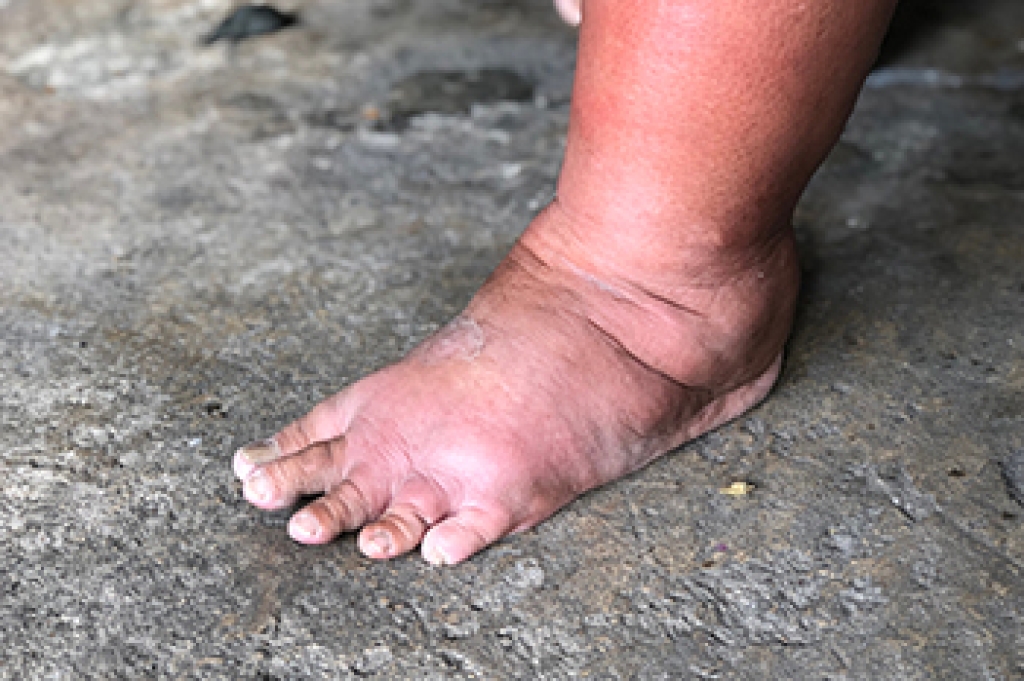
Swollen feet and ankles can signal more serious problems than simple fluid retention. This condition, called edema, occurs when fluid collects in the soft tissues and causes visible puffiness. The skin may appear stretched, shiny, or feel tight. Some people notice discomfort or stiffness while walking. Swelling can affect one or both feet and may be linked to blood flow, veins, or internal organs like the heart or kidneys. It can also develop after an injury or infection, especially if inflammation occurs. When swelling appears suddenly or continues without a clear reason, it should not be ignored. A podiatrist can evaluate the feet, check circulation, and look for signs of underlying conditions using imaging and other tests. If you have unexplained swelling in the feet or ankles, it is suggested that you schedule an appointment with a podiatrist for a diagnosis and appropriate treatment.
Swollen feet can be a sign of an underlying condition. If you have any concerns, contact Dr. Robert Marcus of Foot & Ankle Center of Teaneck. Our doctor can provide the care you need to keep you pain-free and on your feet.
Swollen feet are a common ailment among pregnant women and people who stand or sit for extended periods. Aging may increase the possibility of swollen feet and patients who are obese often notice when their feet are swelling too. There may be medical reasons why swollen feet occur:
Swollen feet can also be caused by bone and tendon conditions, including fractures, arthritis, and tendinitis. Additionally, there may be skin and toenail conditions and an infection may cause the feet to swell. Patients who take medicine to treat high blood pressure may be prone to getting swollen feet.
Many patients elevate their feet to help relieve the swelling and this is generally a temporary remedy. When a podiatrist is consulted the reason behind the swelling can be uncovered and subsequently treated.
If you have any questions please contact our office located in Teaneck, NJ . We offer the newest diagnostic and treatment technologies for all your foot and ankle needs.

Athlete’s foot is a fungal infection of the skin caused by organisms that thrive in warm, moist environments. It often begins between the toes and may cause itching, burning, redness, and peeling or cracking skin. The infection spreads through direct contact with contaminated surfaces, such as locker room floors, showers, or shared footwear. It can also spread from one area of the foot to another, or even to the hands, especially if the skin is broken or irritated. Tight shoes, sweaty feet, and prolonged moisture increase the risk of infection and recurrence. A podiatrist can diagnose athlete’s foot through an examination, and may recommend treatment to eliminate the fungus and restore skin health. Care typically includes antifungal medications, improved foot hygiene, and guidance on keeping the feet clean and dry. If you have symptoms of athlete’s foot, it is suggested that you schedule an appointment with a podiatrist for effective relief and treatment solutions.
Athlete’s foot is an inconvenient condition that can be easily reduced with the proper treatment. If you have any concerns about your feet and ankles, contact Dr. Robert Marcus from Foot & Ankle Center of Teaneck. Our doctor will treat your foot and ankle needs.
Athlete’s Foot: The Sole Story
Athlete's foot, also known as tinea pedis, can be an extremely contagious foot infection. It is commonly contracted in public changing areas and bathrooms, dormitory style living quarters, around locker rooms and public swimming pools, or anywhere your feet often come into contact with other people.
Solutions to Combat Athlete’s Foot
Athlete’s foot can cause many irritating symptoms such as dry and flaking skin, itching, and redness. Some more severe symptoms can include bleeding and cracked skin, intense itching and burning, and even pain when walking. In the worst cases, Athlete’s foot can cause blistering as well. Speak to your podiatrist for a better understanding of the different causes of Athlete’s foot, as well as help in determining which treatment options are best for you.
If you have any questions please feel free to contact our office located in Teaneck, NJ . We offer the newest diagnostic and treatment technologies for all your foot and ankle needs.

Ongoing redness, swelling, and pain surrounding a toenail are often treated as a nail fold infection or an ingrown toenail. However, another condition called retronychia may be the cause. Retronychia happens when a new nail grows under an old nail and pushes it backward into the skin. This can look very similar to other nail problems, which can lead to confusion and delayed care. Signs may include repeated flare ups, thickened nails, and pain with pressure or shoes. Standard treatments may not work because the cause is different. Without proper care, this condition can lead to infection or lasting nail changes. Early identification helps guide the right treatment and can prevent complications. If symptoms do not improve or keep returning, it is suggested you schedule an appointment with a podiatrist for appropriate treatment.
Ingrown toenails may initially present themselves as a minor discomfort, but they may progress into an infection in the skin without proper treatment. For more information about ingrown toenails, contact Dr. Robert Marcus of Foot & Ankle Center of Teaneck. Our doctor can provide the care you need to keep you pain-free and on your feet.
Ingrown Toenails
Ingrown toenails are caused when the corner or side of a toenail grows into the soft flesh surrounding it. They often result in redness, swelling, pain, and in some cases, infection. This condition typically affects the big toe and may recur if it is not treated properly.
Causes
You are more likely to develop an ingrown toenail if you are obese, have diabetes, arthritis, or have any fungal infection in your nails. Additionally, people who have foot or toe deformities are at a higher risk of developing an ingrown toenail.
Symptoms
Some symptoms of ingrown toenails are redness, swelling, and pain. In rare cases, there may be a yellowish drainage coming from the nail.
Treatment
Ignoring an ingrown toenail can have serious complications. Infections of the nail border can progress to a deeper soft-tissue infection, which can then turn into a bone infection. You should always speak with your podiatrist if you suspect you have an ingrown toenail, especially if you have diabetes or poor circulation.
If you have any questions, please feel free to contact our office located in Teaneck, NJ . We offer the newest diagnostic and treatment technologies for all your foot care needs.