google

Blog

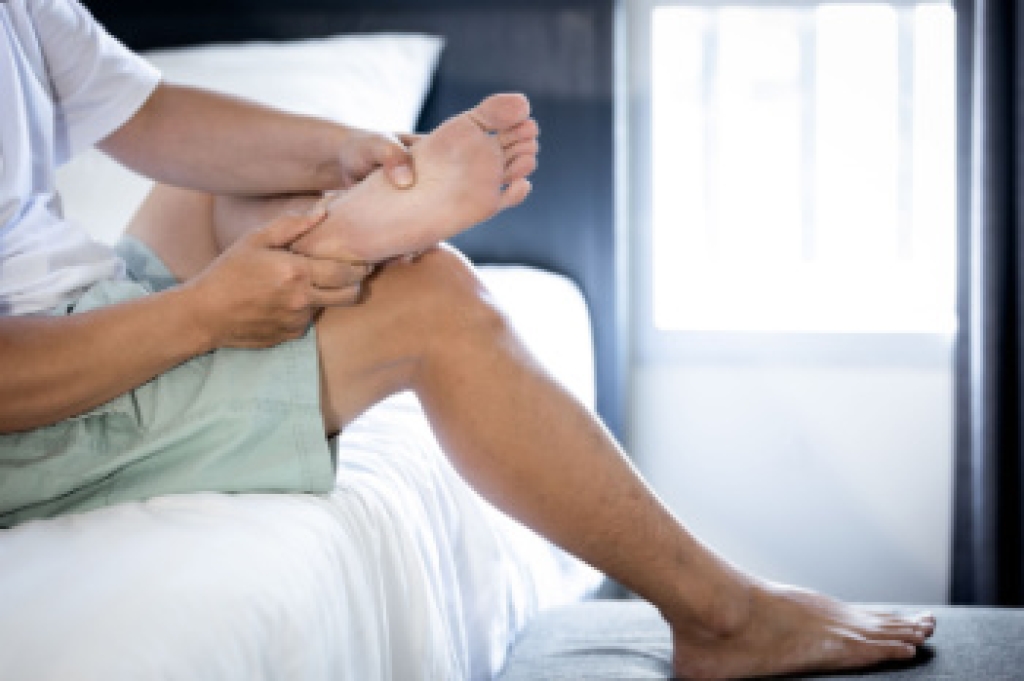
Morning Heel Pain That Will Not Fade

Plantar fasciitis is one of the most common causes of heel pain. It occurs when the plantar fascia, a thick band of tissue that supports the arch of the foot, becomes irritated or inflamed. Many patients notice sharp pain with their first steps in the morning or after sitting for long periods. The heel may feel tender, tight, or slightly swollen, and discomfort often improves after walking a bit but returns later in the day. Causes include overuse, flat feet, high arches, tight calf muscles, or shoes that lack support. A podiatrist begins with a careful examination and may use imaging to confirm the diagnosis and rule out other causes of heel pain. Treatment focuses on reducing inflammation and supporting the foot. Options may include custom orthotics, supportive footwear, and targeted exercises to stretch and strengthen the plantar fascia and surrounding muscles. Early care can prevent the condition from becoming chronic and help patients return to comfortable walking. If you have ongoing heel pain, it is suggested that you make an appointment with a podiatrist.

Plantar fasciitis can be very painful and inconvenient. If you are experiencing heel pain or symptoms of plantar fasciitis, contact Dr. Robert Marcus  from Foot & Ankle Center of Teaneck. Our doctor can provide the care you need to keep you pain-free and on your feet.

What Is Plantar Fasciitis?

Plantar fasciitis is the inflammation of the thick band of tissue that runs along the bottom of your foot, known as the plantar fascia, and causes mild to severe heel pain.

What Causes Plantar Fasciitis?

  • Excessive running
  • Non-supportive shoes
  • Overpronation
  • Repeated stretching and tearing of the plantar fascia

How Can It Be Treated?

  • Conservative measures – anti-inflammatories, ice packs, stretching exercises, physical therapy, orthotic devices
  • Shockwave therapy – sound waves are sent to the affected area to facilitate healing and are usually used for chronic cases of plantar fasciitis
  • Surgery – usually only used as a last resort when all else fails. The plantar fascia can be surgically detached from the heel

While very treatable, plantar fasciitis is definitely not something that should be ignored. Especially in severe cases, speaking to your doctor right away is highly recommended to avoid complications and severe heel pain. Your podiatrist can work with you to provide the appropriate treatment options tailored to your condition.

If you have any questions, please feel free to contact our office located in Teaneck, NJ . We offer the newest diagnostic and treatment technologies for all your foot care needs.

Read more about Plantar Fasciitis

Why Live with Pain and Numbness in Your Feet?

Suffering from this type of pain? You may have the foot condition known as Morton's neuroma. Morton's neuroma may develop as a result of ill-fitting footwear and existing foot deformities. We can help.

How Children’s Feet Grow and Change

Children’s feet go through many changes as they grow. At birth, the foot is soft and flexible, with bones that are still forming. As a child begins to stand, walk, and run, the structures of the foot gradually strengthen and develop. Muscles, ligaments, and bones work together to support balance and movement. It is common for young children to appear flat-footed because a layer of soft tissue hides the developing arch. As growth continues, the arch usually becomes more visible. However, some children may experience discomfort, unusual walking patterns, or fatigue in their feet or legs. These concerns can sometimes be linked to alignment differences or other structural factors. Early attention can help support healthy development and comfortable movement. If you notice ongoing foot pain, frequent tripping, or uneven shoe wear in your child, it is suggested that you seek an evaluation by a podiatrist to determine the cause and guide appropriate treatment.

The health of a child’s feet is vital to their overall well-being. If you have any questions regarding foot health, contact Dr. Robert Marcus of Foot & Ankle Center of Teaneck. Our doctor can provide the care you need to keep you pain-free and on your feet.

Tips for Keeping Children's Feet Healthy

  • Make sure their shoes fit properly
  • Look for any signs of in-toeing or out-toeing
  • Check to see if they have Clubfoot (condition that affects your child’s foot and ankle, twisting the heel and toes inward) which is one of the most common nonmajor birth defects.
  • Lightly cover your baby’s feet (Tight covers may keep your baby from moving their feet freely, and could prevent normal development)
  • Allow your toddler to go shoeless (Shoes can be restricting for a young child’s foot)
  • Cut toenails straight across to avoid ingrown toenails
  • Keep your child’s foot clean and dry
  • Cover cuts and scrapes. Wash any scratches with soap and water and cover them with a bandage until they’ve healed.

If you have any questions, please feel free to contact our office located in Teaneck, NJ . We offer the newest diagnostic and treatment technologies for all your foot care needs.

Read more about What to Do to Keep Your Child’s Feet Healthy

Healing Paths That Help Chronic Foot Wounds Close

Chronic foot wounds are sores that do not heal within several weeks. They often develop in people with diabetes, poor circulation, or nerve damage. Because the skin on the feet faces daily pressure and friction, healing can be slow without proper care. Treatment begins with a careful exam to find the cause of the wound. Removing dead tissue through gentle debridement helps healthy tissue grow. Special moisture-balancing dressings protect the area and support healing. Reducing swelling and improving blood flow are also important parts of care. Some people benefit from negative pressure therapy or skin grafts. Managing blood sugar and wearing off-loading footwear can prevent added stress on the wound. Close monitoring lowers the risk of infection and serious complications. If you have a sore on your foot that is not improving, it is suggested that you see a podiatrist for a proper diagnosis and appropriate treatment.

Wound care is an important part in dealing with diabetes. If you have diabetes and a foot wound or would like more information about wound care for diabetics, consult with Dr. Robert Marcus from Foot & Ankle Center of Teaneck. Our doctor will assess your condition and provide you with quality foot and ankle treatment.

What Is Wound Care?

Wound care is the practice of taking proper care of a wound. This can range from the smallest to the largest of wounds. While everyone can benefit from proper wound care, it is much more important for diabetics. Diabetics often suffer from poor blood circulation which causes wounds to heal much slower than they would in a non-diabetic. 

What Is the Importance of Wound Care?

While it may not seem apparent with small ulcers on the foot, for diabetics, any size ulcer can become infected. Diabetics often also suffer from neuropathy, or nerve loss. This means they might not even feel when they have an ulcer on their foot. If the wound becomes severely infected, amputation may be necessary. Therefore, it is of the upmost importance to properly care for any and all foot wounds.

How to Care for Wounds

The best way to care for foot wounds is to prevent them. For diabetics, this means daily inspections of the feet for any signs of abnormalities or ulcers. It is also recommended to see a podiatrist several times a year for a foot inspection. If you do have an ulcer, run the wound under water to clear dirt from the wound; then apply antibiotic ointment to the wound and cover with a bandage. Bandages should be changed daily and keeping pressure off the wound is smart. It is advised to see a podiatrist, who can keep an eye on it.

If you have any questions please contact our office located in Teaneck, NJ . We offer the newest diagnostic and treatment technologies for all your foot and ankle needs.

Read more about Wound Care

Facts About Cuboid Syndrome

Cuboid syndrome is a condition that occurs when the cuboid bone in the midfoot becomes partially dislocated or irritated, often leading to pain and discomfort. It commonly develops due to stress fractures, sudden increases in activity, or changes in training conditions, such as running on uneven surfaces or wearing improper footwear. Symptoms include pain in the outer midfoot or near the ankle that worsens with weight bearing, walking, or activity. Risk factors include high-impact sports, overpronation, and previous foot injuries. A podiatrist can accurately diagnose cuboid syndrome, provide joint mobilization, recommend supportive orthotics, and guide rehabilitation to restore function. If you have pain in this part of your foot, it is suggested that you consult a podiatrist who can offer effective relief and treatment solutions.

Cuboid syndrome, also known as cuboid subluxation, occurs when the joints and ligaments near the cuboid bone in the foot become torn. If you have cuboid syndrome, consult with Dr. Robert Marcus from Foot & Ankle Center of Teaneck. Our doctor will assess your condition and provide you with quality foot and ankle treatment.

Cuboid syndrome is a common cause of lateral foot pain, which is pain on the outside of the foot. The condition may happen suddenly due to an ankle sprain, or it may develop slowly overtime from repetitive tension through the bone and surrounding structures.

Causes

The most common causes of cuboid syndrome include:

  • Injury – The most common cause of this ailment is an ankle sprain.
  • Repetitive Strain – Tension placed through the peroneus longus muscle from repetitive activities such as jumping and running may cause excessive traction on the bone causing it to sublux.
  • Altered Foot Biomechanics – Most people suffering from cuboid subluxation have flat feet.

Symptoms

A common symptom of cuboid syndrome is pain along the outside of the foot which can be felt in the ankle and toes. This pain may create walking difficulties and may cause those with the condition to walk with a limp.

Diagnosis

Diagnosis of cuboid syndrome is often difficult, and it is often misdiagnosed. X-rays, MRIs and CT scans often fail to properly show the cuboid subluxation. Although there isn’t a specific test used to diagnose cuboid syndrome, your podiatrist will usually check if pain is felt while pressing firmly on the cuboid bone of your foot.

Treatment

Just as the range of causes varies widely, so do treatments. Some more common treatments are ice therapy, rest, exercise, taping, and orthotics.

If you have any questions, please feel free to contact our office located in Teaneck, NJ . We offer the newest diagnostic and treatment technologies for all your foot care needs.

Read more about All About Cuboid Syndrome
Connect with us