Your feet are covered most of the day. If you're diabetic, periodic screening is important for good health. Numbness is often a sign of diabetic foot and can mask a sore or wound.
Your feet are covered most of the day. If you're diabetic, periodic screening is important for good health. Numbness is often a sign of diabetic foot and can mask a sore or wound.
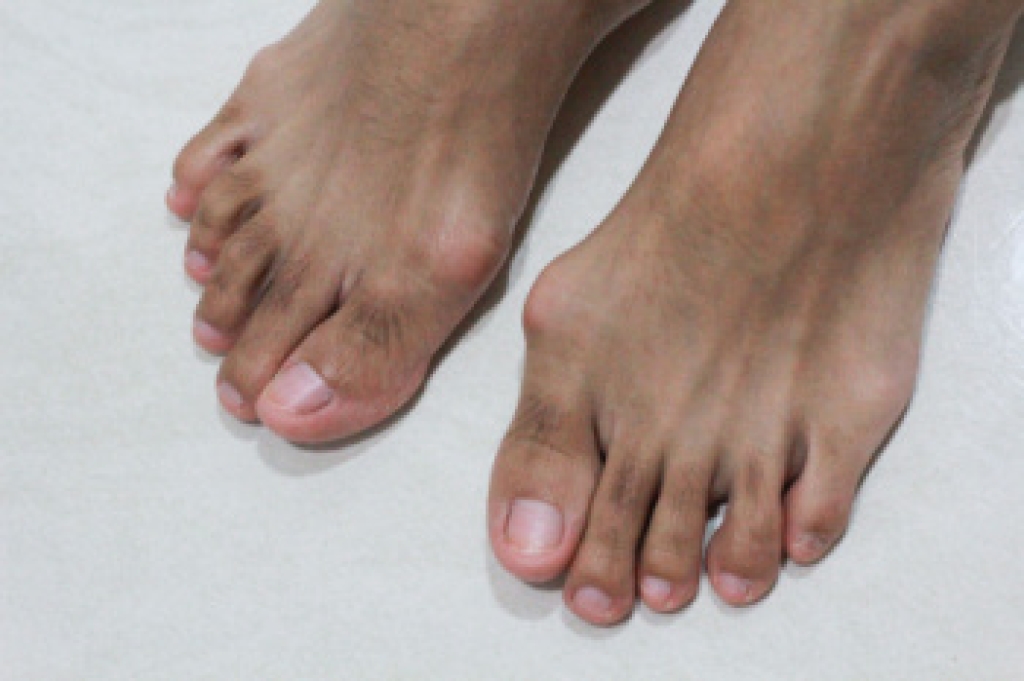
A bunion is a change in foot shape that develops when the big toe slowly shifts toward the smaller toes. As the toe moves, the joint at its base becomes more prominent, and forms a bump along the side of the foot. Doctors call this condition hallux valgus, but bunion is the name most people recognize. Some bunions cause very little discomfort, while others lead to pain that makes standing and walking difficult. The enlarged joint can become swollen, tender, and irritated from pressure inside shoes. The big toe can also crowd nearby toes, causing them to rub together or change position. As the deformity progresses, the joint can become stiff, making it harder to move the toe comfortably.
Several factors increase the chance of developing a bunion. Family history is one of the most important, because inherited foot structure can place extra stress on the big toe joint. Flat feet and joint diseases like rheumatoid arthritis also increase the risk. Shoes that lack proper support, especially narrow styles or high heels, do not usually cause bunions by themselves. They can make an existing bunion more painful and allow the deformity to progress. A podiatrist can diagnose the bunion by examining the foot, checking toe movement, and watching how the patient stands and walks. Standing X-rays show bone alignment and help determine the severity of the bunion.
Treatment depends on the amount of pain, the severity of the bunion, and its effect on daily activities. A podiatrist can recommend properly fitted shoes, custom orthotics, and protective padding to reduce pressure on the joint. These treatments improve comfort and help patients stay active. When the deformity becomes severe and continues to interfere with walking, surgery can straighten the big toe and improve foot alignment. If you have pain from a bunion, it is suggested that you schedule an appointment with a podiatrist for diagnosis and appropriate treatment.
If you are suffering from bunion pain, contact Dr. Robert Marcus of Foot & Ankle Center of Teaneck. Our doctor can provide the care you need to keep you pain-free and on your feet.
What Is a Bunion?
Bunions are painful bony bumps that usually develop on the inside of the foot at the joint of the big toe. As the deformity increases over time, it may become painful to walk and wear shoes. Women are more likely to exacerbate existing bunions since they often wear tight, narrow shoes that shift their toes together. Bunion pain can be relieved by wearing wider shoes with enough room for the toes.
Causes
Symptoms
In order to diagnose your bunion, your podiatrist may ask about your medical history, symptoms, and general health. Your doctor might also order an x-ray to take a closer look at your feet. Nonsurgical treatment options include orthotics, padding, icing, changes in footwear, and medication. If nonsurgical treatments don’t alleviate your bunion pain, surgery may be necessary.
If you have any questions, please feel free to contact our office located in Teaneck, NJ . We offer the newest diagnostic and treatment technologies for all your foot care needs.

Running places repeated stress on the feet, making foot pain a common concern for both new and experienced athletes. These injuries often result from overuse, improper technique, or wearing shoes that do not provide adequate support. Among the most common conditions are plantar fasciitis, ankle sprains, stress fractures, and Morton’s neuroma.
Plantar fasciitis involves irritation of the connective tissue along the bottom of the foot, leading to heel pain and stiffness. Ankle sprains occur when ligaments are stretched beyond their limits, often due to uneven terrain or sudden changes in direction. Stress fractures are tiny breaks in the bone that develop over time from repeated impact. Additionally, Morton’s neuroma is a nerve condition that causes pain and numbness between the toes, often described as a burning sensation. Symptoms can include swelling, bruising, and pain that worsens during or after running. Some runners experience weakness or instability, which may affect performance and increase injury risk. In more serious cases, there may be difficulty bearing weight on the affected foot. These signs should not be ignored, as early intervention can prevent further damage.
Risk factors include excessive mileage, inadequate rest, poor running form, and tight calf muscles. Shoes that are worn out or do not fit properly can also contribute to injury. Preventive strategies include proper training techniques, wearing supportive footwear, and routine stretching. Attention to early symptoms allows for faster recovery and a safer return to activity. If you have foot pain from running, it is suggested that you promptly consult a podiatrist for an accurate diagnosis and effective treatment solutions.
Foot Pain
Foot pain can be extremely painful and debilitating. If you have a foot pain, consult with Dr. Robert Marcus from Foot & Ankle Center of Teaneck. Our doctor will assess your condition and provide you with quality foot and ankle treatment.
Causes
Foot pain is a very broad condition that could be caused by one or more ailments. The most common include:
Diagnosis
To figure out the cause of foot pain, podiatrists utilize several different methods. This can range from simple visual inspections and sensation tests to X-rays and MRI scans. Prior medical history, family medical history, and any recent physical traumatic events will all be taken into consideration for a proper diagnosis.
Treatment
Treatment depends upon the cause of the foot pain. Whether it is resting, staying off the foot, or having surgery; podiatrists have a number of treatment options available for foot pain.
If you have any questions, please feel free to contact our office located in Teaneck, NJ . We offer the newest diagnostic and treatment technologies for all your foot care needs.

Achilles tendon injuries are a frequent concern for tennis players due to the high demand for explosive movement, quick acceleration, and sudden direction changes. The Achilles tendon connects the calf muscles to the heel bone and plays a vital role in push-off strength and court mobility. During tennis, repetitive stress from sprinting, pivoting, and jumping can lead to micro-tearing, inflammation, or even partial rupture of the tendon. These injuries often develop over time but can also occur suddenly during intense play. When the Achilles tendon is compromised, it limits speed, reduces power, and affects a player's ability to compete effectively.
Symptoms of Achilles tendon injuries include pain and stiffness along the back of the heel, especially in the morning or after activity. Swelling, tenderness, and a tight feeling in the calf are also common. Some players notice a gradual increase in discomfort, while others may experience a sudden, sharp pain during movement. Difficulty pushing off the foot or rising onto the toes can indicate a more advanced injury. Recognizing these symptoms early is important, as continued play without treatment can worsen the condition and prolong recovery time.
Risk factors for Achilles tendon injuries in tennis include wearing improper footwear, tight calf muscles, and inadequate warm-up routines. Players who suddenly increase training intensity or duration are also at higher risk. Poor biomechanics, such as overpronation or limited ankle mobility, can place additional strain on the tendon. Fatigue plays a role by reducing coordination and altering movement patterns. Returning to play too soon after a previous injury significantly increases the chance of reinjury. Fear of repeated injury may lead to guarded movements, which can create imbalances and increase stress on the tendon and surrounding structures.
Returning to tennis after an Achilles tendon injury should be based on strength, flexibility, and pain-free function rather than a fixed timeline. A structured rehabilitation program that focuses on calf strengthening, flexibility, and gradual return to activity is essential. Wearing supportive footwear and custom orthotics may help reduce strain during recovery. Addressing both physical readiness and confidence in movement is important to prevent hesitation and reinjury. If you have sustained an Achilles tendon injury while playing tennis, it is suggested that you consult a podiatrist for effective treatment solutions to support safe recovery and return to play.
Achilles tendon injuries need immediate attention to avoid future complications. If you have any concerns, contact Dr. Robert Marcus of Foot & Ankle Center of Teaneck. Our doctor can provide the care you need to keep you pain-free and on your feet.
What Is the Achilles Tendon?
The Achilles tendon is a tendon that connects the lower leg muscles and calf to the heel of the foot. It is the strongest tendon in the human body and is essential for making movement possible. Because this tendon is such an integral part of the body, any injuries to it can create immense difficulties and should immediately be presented to a doctor.
What Are the Symptoms of an Achilles Tendon Injury?
There are various types of injuries that can affect the Achilles tendon. The two most common injuries are Achilles tendinitis and ruptures of the tendon.
Achilles Tendinitis Symptoms
Rupture Symptoms
Treatment and Prevention
Achilles tendon injuries are diagnosed by a thorough physical evaluation, which can include an MRI. Treatment involves rest, physical therapy, and in some cases, surgery. However, various preventative measures can be taken to avoid these injuries, such as:
If you have any questions please feel free to contact our office located in Teaneck, NJ . We offer the newest diagnostic tools and technology to treat your foot and ankle needs.
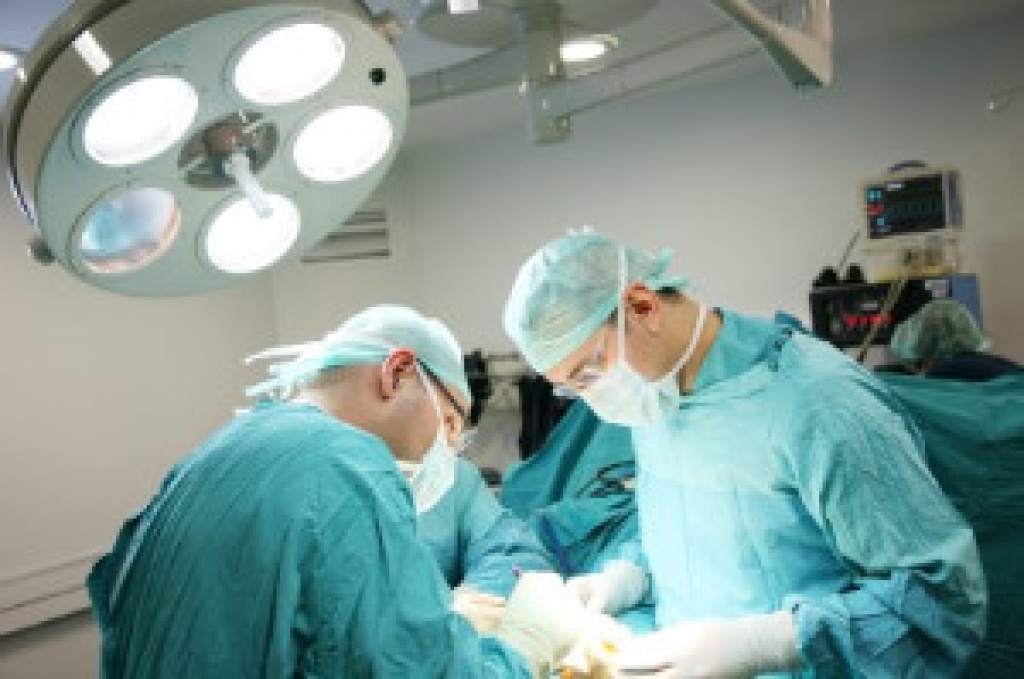
Hammertoe and bunion surgery are common procedures used to correct deformities in the toes and forefoot. A hammertoe occurs when a toe becomes bent at the middle joint. A bunion is a bony prominence that forms at the base of the big toe due to joint misalignment. Surgery is often recommended when pain, stiffness, or difficulty wearing shoes are caused by these deformities. Recovery is an essential part of the process and requires careful attention to protect the surgical site and promote proper healing.
After surgery, symptoms such as swelling, discomfort, and limited mobility are expected during the early stages of recovery. The foot may appear red or tender, and walking may be restricted depending on the procedure performed. Controlling swelling is a key focus, as excessive inflammation can delay healing. Elevating the foot and following post-operative instructions can help manage these symptoms. It is also important to monitor for signs of infection, including increased redness or drainage, and report concerns promptly.
Risk factors that may affect recovery include poor circulation, underlying health conditions, and not following care guidelines. One of the most important steps is keeping the foot clean and dry. Avoiding moisture helps prevent infection and protects surgical dressings. Patients are often advised to avoid getting their feet wet until cleared by their provider. Wearing proper shoes that provide support and limit pressure on the surgical area is also critical. Ill-fitting footwear can disrupt healing and cause unnecessary strain.
Successful recovery depends on a combination of rest, proper hygiene, and gradual return to activity. Following medical guidance ensures that the corrected alignment is maintained and complications are minimized. Rehabilitation may include gentle movement and supportive devices as healing progresses. If you have had hammertoe or bunion surgery, it is suggested you consult with your podiatrist for additional recovery guidance.
Foot surgery is sometimes necessary to treat a foot ailment. To learn more, contact Dr. Robert Marcus of Foot & Ankle Center of Teaneck. Our doctor will assist you with all of your foot and ankle needs.
When Is Surgery Necessary?
Foot and ankle surgery is generally reserved for cases in which less invasive, conservative procedures have failed to alleviate the problem. Some of the cases in which surgery may be necessary include:
What Types of Surgery Are There?
The type of surgery you receive will depend on the nature of the problem you have. Some of the possible surgeries include:
Benefits of Surgery
Although surgery is usually a last resort, it can provide more complete pain relief compared to non-surgical methods and may allow you to finally resume full activity.
Surgical techniques have also become increasingly sophisticated. Techniques like endoscopic surgery allow for smaller incisions and faster recovery times.
If you have any questions, please feel free to contact our office located in Teaneck, NJ . We offer the newest diagnostic and treatment technologies for all your foot care needs.