March 2025
Sunday, 30 March 2025 00:00
Plantar Warts Can Be Treated!

Plantar warts are small growths that develop on parts of the feet that bear weight. They're typically found on the bottom of the foot. Don't live with plantar warts, and call us today!
Tuesday, 25 March 2025 00:00
Heel Fat Pad Syndrome and Its Impact on Foot Health
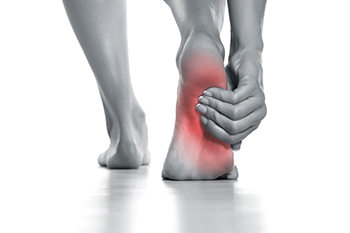
Heel fat pad syndrome is a condition where the protective fat cushion beneath the heel becomes thin or damaged, leading to pain and discomfort. This fat pad acts as a shock absorber, protecting the heel bone from impact during walking, running, and standing. Over time, factors such as aging, repetitive stress, prolonged standing, or high-impact activities can cause the fat pad to wear down. Wearing unsupportive shoes or walking on hard surfaces can increase pressure on the heel, worsening the condition. Individuals with flat feet or high arches may also experience greater stress on the fat pad. Taking steps to protect the heel can reduce pain and prevent further deterioration of the fat pad. If you have this condition, it is suggested that you consult a podiatrist who can guide you toward effective management methods.
Many people suffer from bouts of heel pain. For more information, contact Dr. Robert Marcus of Foot & Ankle Center of Teaneck. Our doctor can provide the care you need to keep you pain-free and on your feet.
Causes of Heel Pain
Heel pain is often associated with plantar fasciitis. The plantar fascia is a band of tissues that extends along the bottom of the foot. A rip or tear in this ligament can cause inflammation of the tissue.
Achilles tendonitis is another cause of heel pain. Inflammation of the Achilles tendon will cause pain from fractures and muscle tearing. Lack of flexibility is also another symptom.
Heel spurs are another cause of pain. When the tissues of the plantar fascia undergo a great deal of stress, it can lead to ligament separation from the heel bone, causing heel spurs.
Why Might Heel Pain Occur?
- Wearing ill-fitting shoes
- Wearing non-supportive shoes
- Weight change
- Excessive running
Treatments
Heel pain should be treated as soon as possible for immediate results. Keeping your feet in a stress-free environment will help. If you suffer from Achilles tendonitis or plantar fasciitis, applying ice will reduce the swelling. Stretching before an exercise like running will help the muscles. Using all these tips will help make heel pain a condition of the past.
If you have any questions please contact our office located in Teaneck, NJ . We offer the newest diagnostic and treatment technologies for all your foot and ankle needs.
Tuesday, 18 March 2025 00:00
Causes of Pain on the Side of the Foot

Pain on the side of the foot, known as lateral foot pain, can make simply walking or standing difficult. Causes of lateral foot pain include stress fractures, cuboid syndrome, peroneal tendonitis, arthritis, a twisted ankle, and tarsal coalition. Stress fractures develop from repetitive impact, cuboid syndrome occurs when the cuboid bone is injured or dislocated, and peroneal tendonitis results from inflammation of the tendons along the outer ankle. Arthritis can cause joint pain and stiffness, and a twisted ankle may stretch or tear ligaments. Tarsal coalition, which is a congenital condition, can lead to foot pain and limited mobility. Symptoms include sharp or aching pain, swelling, bruising, and difficulty bearing weight. Depending on the cause, a podiatrist may recommend rest, immobilization, custom orthotics, or in some cases, surgery, to relieve pain and restore foot function. Ignoring persistent foot pain can lead to further complications, so early evaluation is important. If you have pain on the side of your foot, it is suggested that you schedule an appointment with a podiatrist for an exam, diagnosis, and treatment.
Foot Pain
Foot pain can be extremely painful and debilitating. If you have a foot pain, consult with Dr. Robert Marcus from Foot & Ankle Center of Teaneck. Our doctor will assess your condition and provide you with quality foot and ankle treatment.
Causes
Foot pain is a very broad condition that could be caused by one or more ailments. The most common include:
- Bunions
- Hammertoes
- Plantar Fasciitis
- Bone Spurs
- Corns
- Tarsal Tunnel Syndrome
- Ingrown Toenails
- Arthritis (such as Gout, Rheumatoid, and Osteoarthritis)
- Flat Feet
- Injury (from stress fractures, broken toe, foot, ankle, Achilles tendon ruptures, and sprains)
- And more
Diagnosis
To figure out the cause of foot pain, podiatrists utilize several different methods. This can range from simple visual inspections and sensation tests to X-rays and MRI scans. Prior medical history, family medical history, and any recent physical traumatic events will all be taken into consideration for a proper diagnosis.
Treatment
Treatment depends upon the cause of the foot pain. Whether it is resting, staying off the foot, or having surgery; podiatrists have a number of treatment options available for foot pain.
If you have any questions, please feel free to contact our office located in Teaneck, NJ . We offer the newest diagnostic and treatment technologies for all your foot care needs.
Tuesday, 11 March 2025 00:00
The Role of Dermatophytes in Athlete’s Foot

Athlete's foot is a skin infection caused by dermatophytes, a type of mould-like fungus. These tiny organisms thrive in warm, damp environments, such as locker rooms, public showers, and sweaty athletic shoes. When feet remain moist for long periods, dermatophytes can easily invade the skin, leading to irritation, itching, and redness between the toes and the soles. The fungus may spread rapidly if not properly treated, resulting in discomfort and persistent infections. Maintaining dry feet, wearing breathable footwear, and practicing good hygiene can help prevent this condition. Early signs include mild scaling and burning sensations. Recognizing the symptoms and acting quickly can reduce the risk of further complications. If discomfort continues or the infection worsens, it is suggested that you see a podiatrist for proper diagnosis and appropriate treatment.
Athlete’s Foot
Athlete’s foot is often an uncomfortable condition to experience. Thankfully, podiatrists specialize in treating athlete’s foot and offer the best treatment options. If you have any questions about athlete’s foot, consult with Dr. Robert Marcus from Foot & Ankle Center of Teaneck. Our doctor will assess your condition and provide you with quality treatment.
What Is Athlete’s Foot?
Tinea pedis, more commonly known as athlete’s foot, is a non-serious and common fungal infection of the foot. Athlete’s foot is contagious and can be contracted by touching someone who has it or infected surfaces. The most common places contaminated by it are public showers, locker rooms, and swimming pools. Once contracted, it grows on feet that are left inside moist, dark, and warm shoes and socks.
Prevention
The most effective ways to prevent athlete’s foot include:
- Thoroughly washing and drying feet
- Avoid going barefoot in locker rooms and public showers
- Using shower shoes in public showers
- Wearing socks that allow the feet to breathe
- Changing socks and shoes frequently if you sweat a lot
Symptoms
Athlete’s foot initially occurs as a rash between the toes. However, if left undiagnosed, it can spread to the sides and bottom of the feet, toenails, and if touched by hand, the hands themselves. Symptoms include:
- Redness
- Burning
- Itching
- Scaly and peeling skin
Diagnosis and Treatment
Diagnosis is quick and easy. Skin samples will be taken and either viewed under a microscope or sent to a lab for testing. Sometimes, a podiatrist can diagnose it based on simply looking at it. Once confirmed, treatment options include oral and topical antifungal medications.
If you have any questions, please feel free to contact our office located in Teaneck, NJ . We offer the newest diagnostic and treatment technologies for all your foot care needs.
Tuesday, 04 March 2025 00:00
Definition and Causes of Juvenile Gout

Juvenile gout is a rare condition in children where uric acid builds up in the bloodstream, leading to the formation of crystals that cause pain and inflammation in the joints. This condition is similar to gout in adults, but it occurs in younger individuals, typically affecting the big toe, knees, or ankles. The primary cause of juvenile gout is an overproduction of uric acid, often linked to genetic factors that cause the body to either produce too much uric acid or fail to eliminate it properly. Other causes include kidney problems, obesity, and certain medications. In some cases, a diet high in purine-rich foods, such as red meat and seafood, may contribute to the condition. Symptoms of juvenile gout include sudden joint pain, swelling, redness, and warmth, which can be quite severe. If your child has sudden pain in the big toe and other symptoms of gout, it is suggested that you promptly consult a podiatrist who can effectively treat this condition.
Gout is a painful condition that can be treated. If you are seeking treatment, contact Dr. Robert Marcus from Foot & Ankle Center of Teaneck. Our doctor will treat your foot and ankle needs.
What Is Gout?
Gout is a form of arthritis that is characterized by sudden, severe attacks of pain, redness, and tenderness in the joints. The condition usually affects the joint at the base of the big toe. A gout attack can occur at any random time, such as the middle of the night while you are asleep.
Symptoms
- Intense Joint Pain - Usually around the large joint of your big toe, and it most severe within the first four to twelve hours
- Lingering Discomfort - Joint discomfort may last from a few days to a few weeks
- Inflammation and Redness -Affected joints may become swollen, tender, warm and red
- Limited Range of Motion - May experience a decrease in joint mobility
Risk Factors
- Genetics - If family members have gout, you’re more likely to have it
- Medications - Diuretic medications can raise uric acid levels
- Gender/Age - Gout is more common in men until the age of 60. It is believed that estrogen protects women until that point
- Diet - Eating red meat and shellfish increases your risk
- Alcohol - Having more than two alcoholic drinks per day increases your risk
- Obesity - Obese people are at a higher risk for gout
Prior to visiting your podiatrist to receive treatment for gout, there are a few things you should do beforehand. If you have gout you should write down your symptoms--including when they started and how often you experience them, important medical information you may have, and any questions you may have. Writing down these three things will help your podiatrist in assessing your specific situation so that he or she may provide the best route of treatment for you.
If you have any questions, please feel free to contact our office located in Teaneck, NJ . We offer the newest diagnostic and treatment technologies for all your foot care needs.