April 2024
Tuesday, 30 April 2024 00:00
Symptoms and Causes of Gout in Children
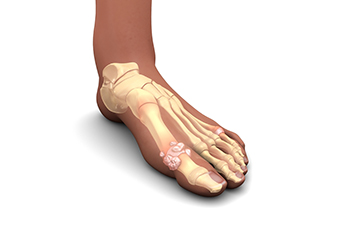
While often associated with adults, gout can also affect children, although less frequently. Gout is a type of arthritis characterized by sudden and severe episodes of joint pain, swelling, and inflammation, typically in the big toe. This condition arises due to an accumulation of uric acid crystals in the joints, leading to sharp pain and discomfort. In children, gout may occur as a result of genetic factors, metabolic disorders, or taking certain medications. Additionally, lifestyle factors such as poor diet, obesity, and dehydration can contribute to elevated levels of uric acid in the bloodstream, increasing the risk of gout attacks. Children with underlying health conditions, such as kidney disease or leukemia, may also be predisposed to developing gout. Recognizing the symptoms of gout in children, including joint pain, redness, and swelling, is vital for early diagnosis and management. If your child has symptoms of gout, it is strongly suggested that you consult a podiatrist who can offer effective management strategies.
Gout is a foot condition that requires certain treatment and care. If you are seeking treatment, contact Dr. Robert Marcus from Foot & Ankle Center of Teaneck. Our doctor will treat your foot and ankle needs.
What Is Gout?
Gout is a type of arthritis caused by a buildup of uric acid in the bloodstream. It often develops in the foot, especially the big toe area, although it can manifest in other parts of the body as well. Gout can make walking and standing very painful and is especially common in diabetics and the obese.
People typically get gout because of a poor diet. Genetic predisposition is also a factor. The children of parents who have had gout frequently have a chance of developing it themselves.
Gout can easily be identified by redness and inflammation of the big toe and the surrounding areas of the foot. Other symptoms include extreme fatigue, joint pain, and running high fevers. Sometimes corticosteroid drugs can be prescribed to treat gout, but the best way to combat this disease is to get more exercise and eat a better diet.
If you have any questions please feel free to contact our office located in Teaneck, NJ . We offer the newest diagnostic and treatment technologies for all your foot and ankle needs.
Tuesday, 23 April 2024 00:00
Are There Differences Between Children’s and Adults' Feet?
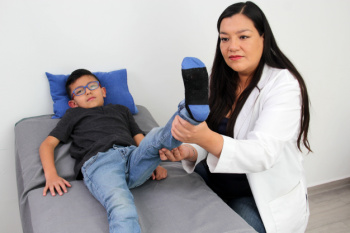
Adults' and children's feet may appear similar at first glance, but they exhibit distinct characteristics and undergo unique developmental changes. Children's feet are more pliable, with softer cartilage and bones that are still growing and forming. As a result, their feet are more susceptible to deformities and structural abnormalities, such as flat feet or toe-walking. Additionally, children often have a higher arch and wider forefoot compared to adults. Over time, as children mature into adults, their feet undergo significant changes. The arches typically become more defined, and the foot structure stabilizes. Adults may also experience changes in foot size and shape due to factors like weight gain, pregnancy, or aging. Furthermore, adults are more prone to conditions like bunions, arthritis, and plantar fasciitis, which can affect foot function and mobility. Understanding these differences is essential for providing appropriate footwear, monitoring development, and addressing any potential issues early on to ensure optimal foot health throughout life. It is suggested that you schedule routine visits for your child with a podiatrist who can closely monitor the growth rate in their feet.
The health of a child’s feet is vital to their overall well-being. If you have any questions regarding foot health, contact Dr. Robert Marcus of Foot & Ankle Center of Teaneck. Our doctor can provide the care you need to keep you pain-free and on your feet.
Tips for Keeping Children's Feet Healthy
- Make sure their shoes fit properly
- Look for any signs of in-toeing or out-toeing
- Check to see if they have Clubfoot (condition that affects your child’s foot and ankle, twisting the heel and toes inward) which is one of the most common nonmajor birth defects.
- Lightly cover your baby’s feet (Tight covers may keep your baby from moving their feet freely, and could prevent normal development)
- Allow your toddler to go shoeless (Shoes can be restricting for a young child’s foot)
- Cut toenails straight across to avoid ingrown toenails
- Keep your child’s foot clean and dry
- Cover cuts and scrapes. Wash any scratches with soap and water and cover them with a bandage until they’ve healed.
If you have any questions, please feel free to contact our office located in Teaneck, NJ . We offer the newest diagnostic and treatment technologies for all your foot care needs.
Tuesday, 16 April 2024 00:00
Foot and Ankle Injuries in the NFL
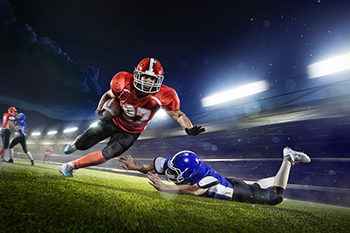
Foot and ankle injuries are prevalent in the high-impact world of the NFL, affecting players of all positions. One common cause is the rigorous physical demands of the sport, including sudden changes in direction, high-speed collisions, and repetitive stress on the lower extremities. Sprains, strains, fractures, and tendonitis are among the most frequently encountered injuries. Symptoms vary depending on the severity and type of injury but often include pain, swelling, bruising, instability, and limited range of motion. Plantar fasciitis, Achilles tendon injuries, turf toe, and Lisfranc injuries are particularly notorious in the NFL due to the stress placed on the foot and ankle during gameplay. Additionally, inadequate rehabilitation and premature return to play can exacerbate these injuries, prolonging recovery times and increasing the risk of re-injury. If you enjoy playing football and have sustained a foot or ankle injury, it is suggested that you visit a podiatrist who can offer you a tailored treatment plan and effective preventative techniques.
Ankle and foot injuries are common among athletes and in many sports. They can be caused by several problems and may be potentially serious. If you are feeling pain or think you were injured in a sporting event or when exercising, consult with Dr. Robert Marcus from Foot & Ankle Center of Teaneck. Our doctor will assess your condition and provide you with quality foot and ankle treatment.
Common Injuries
The most common injuries that occur in sporting activities include:
- Achilles Tendonitis
- Achilles Tendon Rupture
- Ankle Sprains
- Broken Foot
- Plantar Fasciitis
- Stress Fractures
- Turf Toe
Symptoms
Symptoms vary depending upon the injury and in some cases, there may be no symptoms at all. However, in most cases, some form of symptom is experienced. Pain, aching, burning, bruising, tenderness, tightness or stiffness, sensation loss, difficulty moving, and swelling are the most common symptoms.
Treatment
Just as symptoms vary depending upon the injury, so do treatment options. A common treatment method is known as the RICE method. This method involves rest, applying ice, compression and elevating the afflicted foot or ankle. If the injury appears to be more serious, surgery might be required, such as arthroscopic or reconstructive surgery. Lastly, rehabilitation or therapy might be needed to gain full functionality in the afflicted area. Any discomfort experienced by an athlete must be evaluated by a licensed, reputable medical professional.
If you have any questions, please feel free to contact our office located in Teaneck, NJ . We offer the newest diagnostic and treatment technologies for all your foot care needs.
Tuesday, 09 April 2024 00:00
Effective Fall Prevention Methods for Seniors
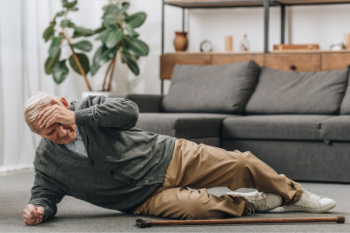
Ensuring a safe and secure environment is essential for seniors to maintain independence and well-being, especially concerning fall prevention within the home. Start by decluttering living spaces, and removing obstacles such as loose rugs, electrical cords, and furniture that may pose tripping hazards. Install handrails and grab bars in bathrooms and stairways to provide support and stability. Improve lighting throughout the home to enhance visibility and reduce the risk of missteps, particularly in dimly lit areas. Secure loose carpets and mats with non-slip backing to prevent slips and falls. Consider installing ramps or stairlifts for easier navigation between levels. Additionally, keep commonly used items within reach to minimize the need for excessive reaching or bending. Regularly assess the home environment for potential hazards and make necessary modifications to promote safety and peace of mind for seniors. The feet can be affected by falling, causing difficulty in completing daily tasks. If you have endured a foot injury from falling, it is suggested that you speak with a podiatrist who can offer you tailored treatment options and effective prevention methods.
Preventing falls among the elderly is very important. If you are older and have fallen or fear that you are prone to falling, consult with Dr. Robert Marcus from Foot & Ankle Center of Teaneck. Our doctor will assess your condition and provide you with quality advice and care.
Every 11 seconds, an elderly American is being treated in an emergency room for a fall related injury. Falls are the leading cause of head and hip injuries for those 65 and older. Due to decreases in strength, balance, senses, and lack of awareness, elderly persons are very susceptible to falling. Thankfully, there are a number of things older persons can do to prevent falls.
How to Prevent Falls
Some effective methods that older persons can do to prevent falls include:
- Enrolling in strength and balance exercise program to increase balance and strength
- Periodically having your sight and hearing checked
- Discuss any medications you have with a doctor to see if it increases the risk of falling
- Clearing the house of falling hazards and installing devices like grab bars and railings
- Utilizing a walker or cane
- Wearing shoes that provide good support and cushioning
- Talking to family members about falling and increasing awareness
Falling can be a traumatic and embarrassing experience for elderly persons; this can make them less willing to leave the house, and less willing to talk to someone about their fears of falling. Doing such things, however, will increase the likelihood of tripping or losing one’s balance. Knowing the causes of falling and how to prevent them is the best way to mitigate the risk of serious injury.
If you have any questions, please feel free to contact our office located in Teaneck, NJ . We offer the newest diagnostic and treatment technologies for all your foot care needs.
Tuesday, 02 April 2024 00:00
Restaurant Workers and Wearing Appropriate Shoes
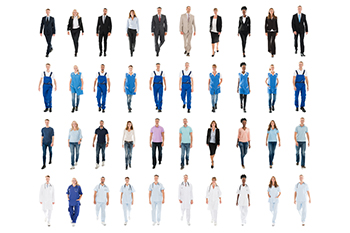
The choice of footwear holds particular importance for individuals working in restaurants. Restaurant workers spend prolonged hours on their feet, navigating through bustling environments, and often engaging in tasks that demand agility and stability. Wearing proper shoes is important to ensure comfort, safety, and overall well-being. Ill-fitting or unsupportive footwear can lead to various foot ailments such as plantar fasciitis, bunions, and joint pain, significantly impacting productivity and job satisfaction. Slip-resistant shoes are essential to mitigate the risk of slips, trips, and falls, especially in environments where spills and wet surfaces are common occurrences. Additionally, supportive shoes with cushioning and arch support can alleviate fatigue and reduce the likelihood of musculoskeletal injuries. Investing in quality footwear designed for the demands of the restaurant industry is not only a matter of comfort but also a proactive measure to safeguard the health and performance of restaurant workers. If you have developed foot pain from working in the restaurant industry, it is suggested that you consult a podiatrist who can guide you in selecting the proper footwear.
While working on the feet, it is important to take the proper care of them. For more information about working on your feet, contact Dr. Robert Marcus from Foot & Ankle Center of Teaneck. Our doctor will treat your foot and ankle needs.
Working on Your Feet
Standing on your feet for long periods of time can cause stress and pain in your feet. Your whole body may experience change in terms of posture, back pain, bunions, callouses and or plantar warts. There are ways to avoid these conditions with proper foot care, smart choices and correct posture.
Positive Changes
Negative heeled shoe – Choosing this shoe type places the heel slightly lower than the ball of the foot. These are great for overall foot health. Find shoes that fit you correctly.
Go barefoot – Our feet were not designed to be enclosed for all hours of the day. Try to periodically expose your feet to air.
Eliminate Pain
Foot Exercises – Performing simple exercises, incorporating yoga and doing stretches are beneficial. This will allow increased blood flow to the area and muscles of the foot.
Achilles tendon – Stretching the foot out flat on the floor will relax the calf muscles and tendon. These exercises can be performed almost anywhere. Make sure you add these exercises to your daily regimen.
With a little bit of this information and knowing more about foot health, you will notice changes. Foot stretches and proper footwear will help with pain and prevent further issues.
If you have any questions please feel free to contact our office located in Teaneck, NJ . We offer the newest diagnostic and treatment technologies for all your foot and ankle needs.